
Learn how to set fitness goals you’ll actually stick to with these five simple, realistic steps. From building small habits to finding community support, this guide will help you stay motivated and make real progress without extremes.
People work out for all kinds of reasons … to feel better, gain energy, build strength, support their health, and/or train for a specific event. No matter your what your “why” is, it’s easy to get wrapped up in the *end result* and feel overwhelmed before you even begin.
The good news? Reaching your goals doesn’t have to be complicated.
The first move is simple, and that is to get active in a way that you actually enjoy. When you like what you’re doing, motivation to show up and get the work done becomes much easier.

Today let’s break down five realistic, sustainable steps to help you set fitness goals and follow through without burnout, extremes or the idea of needing to be perfect.
1. Set a goal that fits YOU.
One of the biggest mistakes people make is choosing a fitness goal based on what someone else is doing. Inspiration is great, but comparison is not. (And trust me, I’ve learned this the hard way!)
Here’s the thing … if you really hate running, you probably shouldn’t train for a marathon. If long workouts don’t fit your schedule, you don’t need to commit to an hour a day. Your goal should be something that feels exciting, manageable and aligned with your lifestyle.
Ask yourself:
- What types of movement feel good to me?
- What do I look forward to?
- What feels realistic in my current season of life?
Whether it’s yoga, spinning, strength training, Pilates, walking, or joining a recreational sport, choose what type of movement you enjoy and you’re far more likely to stick with it long-term.
2. Create a deadline for your goal.
A goal without a timeline is just a wish.
Setting a deadline gives you structure, direction, and accountability.
This doesn’t have to be anything intense, so simply pick an end date that feels doable. When I was training to become a barre instructor, I set small weekly deadlines to learn and practice different sections of class. Little by little, I built the skills to teach a full class and taught with confidence. The same goes for getting my certification in personal training (along with a few more!). Each of those had a deadline I knew I needed to finish by, and it felt way less overwhelming if I set mini-deadlines throughout the process.
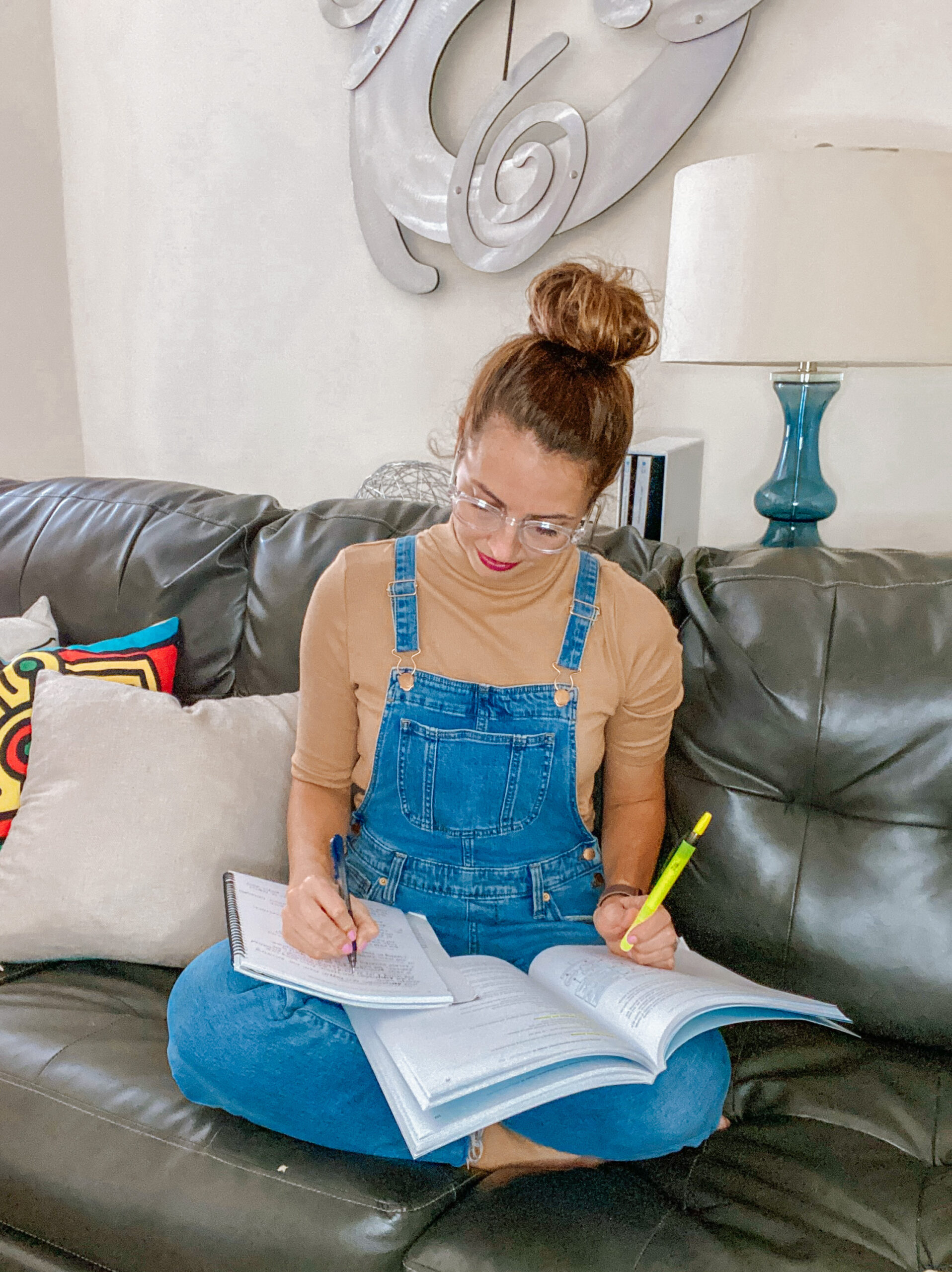
A clear timeline helps you stay focused and take consistent action, even on busy weeks.
3. Break your goal into small, doable steps.
Just like breaking down the big overall timeline that I mentioned above, it can be really helpful to break your goal into smaller baby goals along the way.
Consistency beats intensity every. single. time. Results don’t happen overnight, so breaking your goal into smaller pieces that feel achievable throughout the process can give you the extra push and dedication you need when lacking motivation.
Instead of saying:
- “I’m going to run 10 miles,” start with:
- “I’m going to run one mile without stopping.”
Then two. Then three. And eventually you’re running ten without even realizing it.
Small wins build momentum.
You can even track your progress weekly with things like:
- distance
- reps
- weight used
- class frequency
- energy levels
Seeing progress in real time keeps you motivated and focused on the process, not just the outcome.
4. Build a supportive fitness community.
Having people cheering you on makes a massive difference. A supportive community *online or in person* helps keep you accountable, inspired, and encouraged when motivation dips (because it will).
Try:
- joining group fitness classes
- asking a friend to be an accountability partner
- participating in online challenges
- following creators who inspire you
- using fitness apps to track your progress

The fitness world is full of people on similar journeys. Find your people, share your goals, and let that support help you stay committed.
5. Expect obstacles and have a plan for them.
Life happens, and you won’t always stick to your plan perfectly. That’s normal.
Whether you’re sick, your kiddo is sick, you’re traveling, you’re hosting guests, or just juggling a busy workweek, the goal is to adjust … not quit.
Some simple strategies:
- Missed a workout? Add 10 minutes to the next one.
- Low energy day? Take a walk instead of skipping movement entirely.
- Hard time going after work? Pack gym clothes and go straight from work.
- Hate early mornings? Try lunchtime classes instead.
Progress isn’t about perfection. It’s about finding ways to stay consistent even when your routine shifts.
The Bottom Line
These five steps have helped me reach some of my biggest fitness goals, and I know they can help you, too. Remember: the most effective fitness goals are realistic, enjoyable and flexible.
And if you haven’t heard about SMART goals yet, I wrote an entire post about this coaching strategy that will set you up for success!

If you want more training ideas, movement tips, or healthy living resources, head over to my Fitness page and start building your own goals today.
xo, Heather
Now I’d love to know …
- What fitness goal are you working toward right now, and what’s one small step you’re taking to get there?
- Which of these five steps do you struggle with the most, or which one helps you the most?


Leave a Reply